
Event Summary: Launch of the UHC2030 Strategic Narrative on Digital Transformation of Health Systems for Universal Health Coverage
19th May 2026
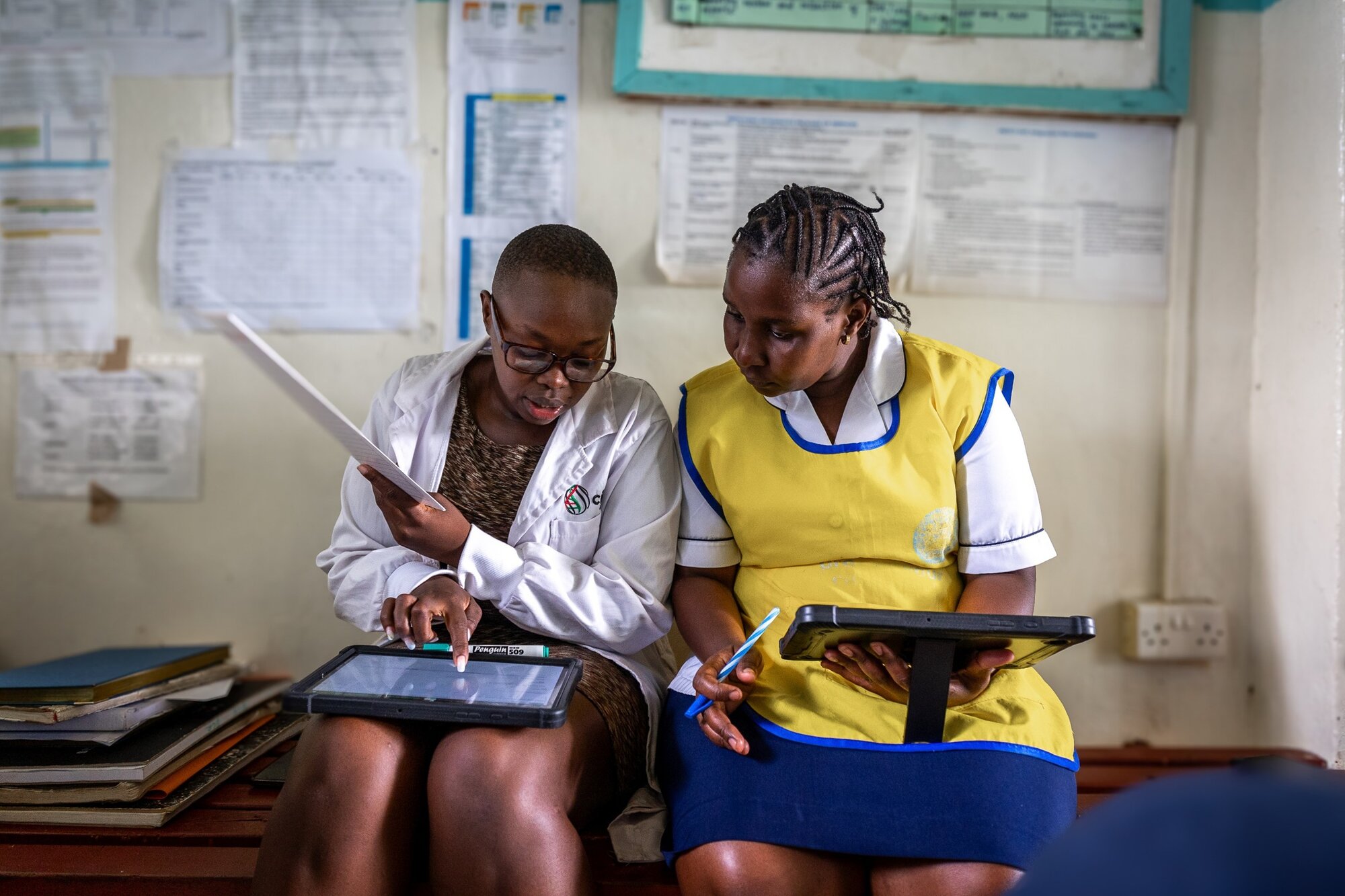
On 18 May 2026, on the sidelines of WHA79, UHC2030, the CSEM, the OECD, DTH-Lab, Transform Health, the GIDH and the Asian Development Bank convened a side event to launch the UHC2030 Strategic Narrative on Digital Transformation of Health Systems for UHC.
18 May 2026 | WHA79 Civil Society Networking Space, Geneva and Online
On 18 May 2026, on the sidelines of the 79th World Health Assembly, UHC2030, the Civil Society Engagement Mechanism for UHC2030 (CSEM), the OECD, the Digital Transformations for Health Lab (DTH-Lab), Transform Health, the Global Initiative on Digital Health (GIDH), and the Asian Development Bank convened a side event to launch the UHC2030 Strategic Narrative on Digital Transformation of Health Systems for Universal Health Coverage (UHC). The event brought together representatives from governments, international organizations, civil society, youth networks, academia and development partners to explore how digital transformation can help accelerate progress toward UHC while advancing health equity and leaving no one behind.
The launch comes at a critical moment. Despite significant technological advances, 4.6 billion people still lack access to essential health services, while more than 2 billion people experience financial hardship due to out-of-pocket health spending. Participants reflected on both the opportunities and risks presented by rapid digitalization and emphasized that digital technologies must be harnessed deliberately to strengthen health systems, improve equitable access to quality, affordable care, and respond to the needs of people and communities.
1. Setting the stage: Why publish the narrative now?
The session was opened by moderator Aferdita Bytyqi, Executive Director of DTH-Lab, who emphasized that digital transformation is increasingly shaping the future of health systems worldwide. But in order for it to contribute meaningfully to UHC, digitalization must be grounded in equity, trust, inclusion and human rights.
In her keynote remarks, Dr Pamela Cipriano, Co-Chair of the UHC2030 Steering Committee, reflected on the importance of ensuring that digital transformation serves everyone, particularly people in vulnerable and marginalized situations. She highlighted the relevance of the narrative as countries prepare for the 2027 UN High-Level Meeting on Universal Health Coverage, emphasizing the need for stronger accountability to translate political commitments into tangible improvements in people’s lives.
Additional keynote interventions from Dr Amani Siyam (WHO) and Francesca Colombo (OECD) underscored that digital health should not be viewed as an isolated technical agenda, but rather as a critical enabler of stronger, more resilient and people-centred health systems. Speakers highlighted the importance of leadership, governance, cross-border collaboration, and investments in both technological and human capacities to ensure digital tools effectively support health outcomes.
2. Introducing the Strategic Narrative
The new narrative, titled Digital transformation of health systems for universal health coverage: UHC2030’s strategic narrative to guide advocacy and action, was presented as a practical advocacy tool designed to support civil society organizations, policymakers, advocates and other stakeholders in advancing digital transformation that is aligned with UHC goals.
The narrative seeks to provide a shared vision and common language for advocacy while offering practical entry points for action. It encourages stakeholders to place UHC at the centre of digital transformation efforts and advocates for sustained investment, stronger accountability, and inclusive governance. The narrative also identifies priority action areas where targeted advocacy can help accelerate progress and bridge the gap between global commitments and implementation at country level.
3. From advocacy to action: key themes from the panel discussion
A multi-stakeholder panel brought together representatives from government, international organizations, civil society, youth networks and development partners to discuss how the principles outlined in the narrative can be translated into practice.
Building strong foundations: governance, infrastructure and interoperability
Innocent Chiboma (Ministry of Health, Zambia) shared reflections on Zambia’s experience advancing digital transformation in support of UHC. Discussions highlighted the importance of strong data governance frameworks, national ownership and partnerships to ensure that digital systems contribute to improved health outcomes and more equitable access to services.
Building on this, Dr Derrick Muneene (WHO) emphasized that countries must invest in the foundational building blocks of digital transformation. He highlighted interoperability, digital public infrastructure, standards-based approaches, and long-term planning as essential prerequisites for success. Rather than creating isolated digital projects, countries should focus on building integrated ecosystems that strengthen health systems as a whole.
Keeping people at the centre
A recurring theme throughout the discussion was that digital transformation must remain firmly people-centred.
Mohamed Osman, physician, advocate and member of the Our Views, Our Voices Global Advisory Committee, emphasized the importance of ensuring that digital solutions respond to the realities and needs of patients and communities. Drawing on his experience as both a healthcare professional and lived-experience advocate, he highlighted the need for meaningful engagement with communities throughout policy development and implementation processes.
Panelists stressed that trust is a critical determinant of successful digital transformation. Communities must have confidence that their data will be protected, that technologies are being used ethically, and that digital innovations will improve—rather than complicate—their interactions with health systems.
Investing in people and digital literacy
From a youth perspective, Daniel MacDonald (International Pharmaceutical Students’ Federation) highlighted the growing importance of digital competencies across the health workforce. As health systems increasingly rely on digital tools and data-driven decision-making, investments in workforce development, digital literacy and continuous learning will be essential.
Participants noted that digital transformation is not solely about technology; it is also about equipping health workers, communities and future leaders with the knowledge and skills needed to effectively navigate evolving health systems.
Trust, participation and accountability
Mathilde Forslund (Transform Health) underscored the importance of trust, transparency and social participation in digital health governance. She highlighted that meaningful engagement of civil society and communities is essential to ensure digital transformation reflects people’s priorities and safeguards their rights.
The discussion reinforced that digital transformation efforts should not be designed solely by technical experts or policymakers. Rather, they should be co-created with the people who will ultimately use and be affected by these systems. Participants emphasized that inclusive governance processes can strengthen accountability, improve implementation, and help build public confidence in digital health initiatives.
Financing digital transformation for UHC
Addressing the financing dimension, Dr Akihito Watabe (Asian Development Bank) reflected on the need for sustained investment to support digital transformation at scale. Discussions explored how digital technologies can contribute to stronger health financing systems, improve efficiency, support better decision-making, and ultimately strengthen financial protection for populations.
Speakers emphasized that digital transformation should be viewed as a long-term investment in health system strengthening rather than a series of short-term technology projects.
4. Looking ahead
Throughout the event, participants repeatedly returned to a central message: digital transformation is not an end in itself. Its success should be measured by whether it improves people’s health, expands access to quality services, reduces inequities, and accelerates progress toward universal health coverage.
The launch of the digital health narrative represents an important milestone in building a shared advocacy agenda for digital transformation of health systems. By providing a common framework and practical advocacy messages, the narrative aims to support governments, civil society, communities, youth and development partners in advancing digital transformation that is equitable, accountable and people-centred on people.
As preparations continue toward the 2027 UN High-Level Meeting on UHC, participants called for stronger collaboration across sectors and stakeholders to ensure that digital transformation helps build resilient health systems that work for everyone, everywhere.
Did you miss the event? Watch the recording here:
