Investir dans la santé des femmes, c'est investir dans l'avenir
8 mars 2026

22nd June 2026
Universal health coverage (UHC) and global health security are not separate agendas. They are mutually reinforcing goals that seek to protect the right to health for everyone, everywhere, and depend on the same strong, equitable and resilient health systems. As the 2026 United Nations (UN) High-Level Meeting on Pandemic Prevention, Preparedness and Response (PPPR) approaches, the Coalition of Partnerships for UHC and Global Health calls on world leaders to align investments in preparedness with broader efforts to strengthen health systems and recognize primary health care (PHC) and social participation as essential for UHC and PPPR.
At a time of escalating global instability driven by conflict, climate shocks, economic uncertainty and widening inequalities, investment in UHC is not only a moral imperative but a strategic necessity. Strong health systems grounded in PHC are the first line of defense against health emergencies, enabling countries to prevent, detect and respond to health threats. Yet 4.6 billion people globally lack access to essential health services, and 2.1 billion face financial hardship when paying for health services or products out of their own pockets. Of these, over 1.6 billion are pushed into, or further into, poverty because of health costs. At the current pace, the world remains off track to achieve UHC by 2030, leaving all countries vulnerable to health emergencies.
Persistent gaps reduce access to quality, affordable health services, driving health inequities, including higher rates of noncommunicable diseases (NCDs), ill health and premature mortality. Health costs exacerbate poverty, with households pushed further into financial hardship by the very services intended to protect them. Among the poorest populations, 3 in 4 people experience financial hardship due to health costs, compared with 1 in 25 among the wealthiest. These intersecting health and economic inequalities leave those most in need of care least able to access it, making them more vulnerable to health emergencies and weakening collective preparedness for all.
The link between UHC and PPPR is firmly established. The 2023 PPPR Political Declaration recognized the fundamental role of PHC and UHC in preventing, preparing for and responding to pandemics, and the 2025 Pandemic Agreement reinforced this connection by positioning UHC as a foundational pillar of PPPR. Now it’s time to put these commitments into action. This is why we call on Member States to prioritize the following when negotiating the new PPPR Political Declaration:
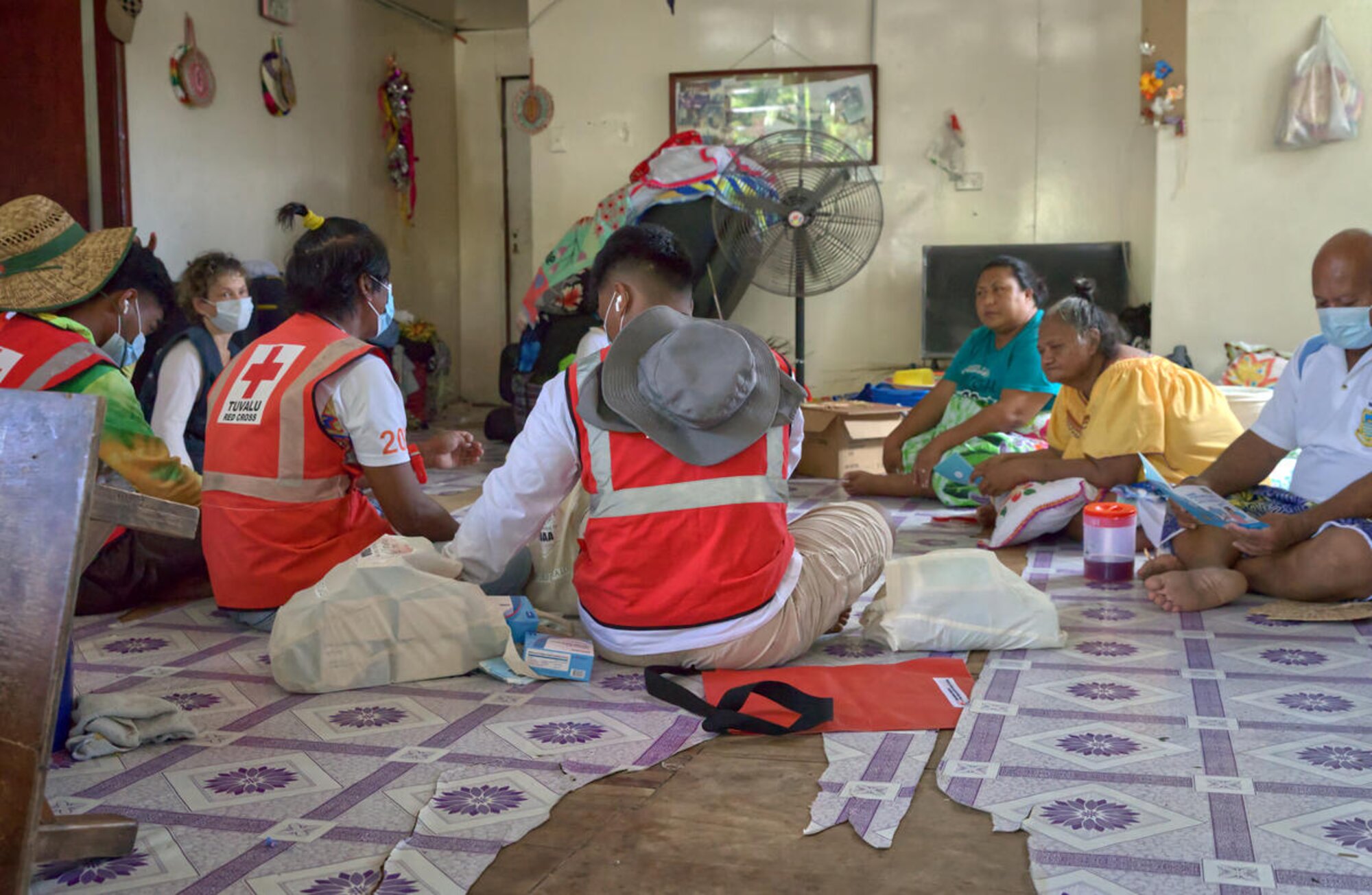
A shift from parallel investments in PPPR and UHC towards a single, integrated approach grounded in PHC. The workforce, laboratories and supply chains that underpin pandemic response are built through sustained investment, not emergency financing. When properly resourced and integrated, PHC delivers up to 90% of people’s health needs over their lifetime—serving as the bridge between UHC and preparedness. Health systems that can reliably deliver routine health services—including immunization, health promotion, chronic disease management, and disease prevention—and that reach the most vulnerable communities in ordinary times, are the same systems that detect, contain and respond to health emergencies.
A whole-of-society approach based on social participation. Health systems must be grounded in the voices, experiences, rights and needs of the communities they serve. Meaningful and institutionalized social participation strengthens accountability, improves responsiveness and builds the trust required for effective public health action—particularly in the face of misinformation. Individuals, communities and civil society—including vulnerable and marginalized populations such as women, girls, youth, people living with NCDs, HIV/AIDS, TB or malaria—must be engaged across the health policy cycle, from planning to implementation, monitoring and evaluation. Social participation must be a core component of PPPR governance, as it is critical to advancing equitable implementation of the amended International Health Regulations and moving towards ratification of the Pandemic Agreement. We also need indicators that measure not only preparedness capacities, but also whether all populations can access quality health services without financial hardship during emergencies.
Address gender inequality and underinvestment in the health and care workforce. Health and care workers are the backbone of resilient health systems and trusted sources of public health action. In addition to supporting a well-trained, equitably distributed and adequately protected health and care workforce, we must ensure their voices are systematically and meaningfully integrated into the design, implementation and evaluation of health policies, alongside the communities they serve. This includes recognition of the gender inequalities that shape the workforce, with women constituting the majority of health and care workers globally, while remaining underrepresented in leadership, disproportionately affected by inadequate protection, and often subject to unequal pay and working conditions.
The world stands at a critical juncture, with debate on global health architecture reform and initiatives such as the UN80 process, the Accra Reset and the Lusaka Agenda, reflecting a need for change. Throughout these transitions, we must remember that UHC and PPPR can only be achieved through sustained cooperation, shared responsibility, and trust between countries and institutions. Efforts to strengthen efficiency must not come at the cost of equity. A strengthened global health architecture must enable collaboration, aligning governance, financing and accountability around shared goals to ensure no country or community is left behind.
With the window to 2030 closing, the 2026 HLM is our opportunity to correct course by strengthening health systems and governance structures that deliver for people in times of crisis and calm. Preparedness investments that do not advance equity and UHC risk leaving critical gaps. We stand ready to support in advancing this agenda, particularly through strengthened social participation in health system governance.
Authors: Dr. Pamela Cipriano, Co-Chair, UHC2030 Steering Committee; Dr Magda Robalo, Co-Chair, UHC2030 Steering Committee; Ms Katie Dain, CEO, NCD Alliance; Dr Rajat Khosla, Executive Director, PMNCH - Members of the Principal Group of the Coalition of Partnerships for UHC and Global Health
The Coalition of Partnerships for UHC brings together the breadth of the global health agenda—from HIV, tuberculosis, and malaria to noncommunicable diseases, maternal, newborn and child health. What unites us is a shared commitment that UHC and inclusive governance is inseparable from effective PPPR.
We thank Bethany-Kate Lewis and Paloma de la Cruz for their support in drafting and editing this piece.