
UHC and equitable and resilient health systems high on the agenda at UNGA81
2nd October 2026
Universal health coverage (UHC) and global health security are not separate agendas. They are mutually reinforcing goals that seek to protect the right to health for everyone, everywhere.
They also depend on the same strong, equitable and resilient health systems, anchored in primary health care.
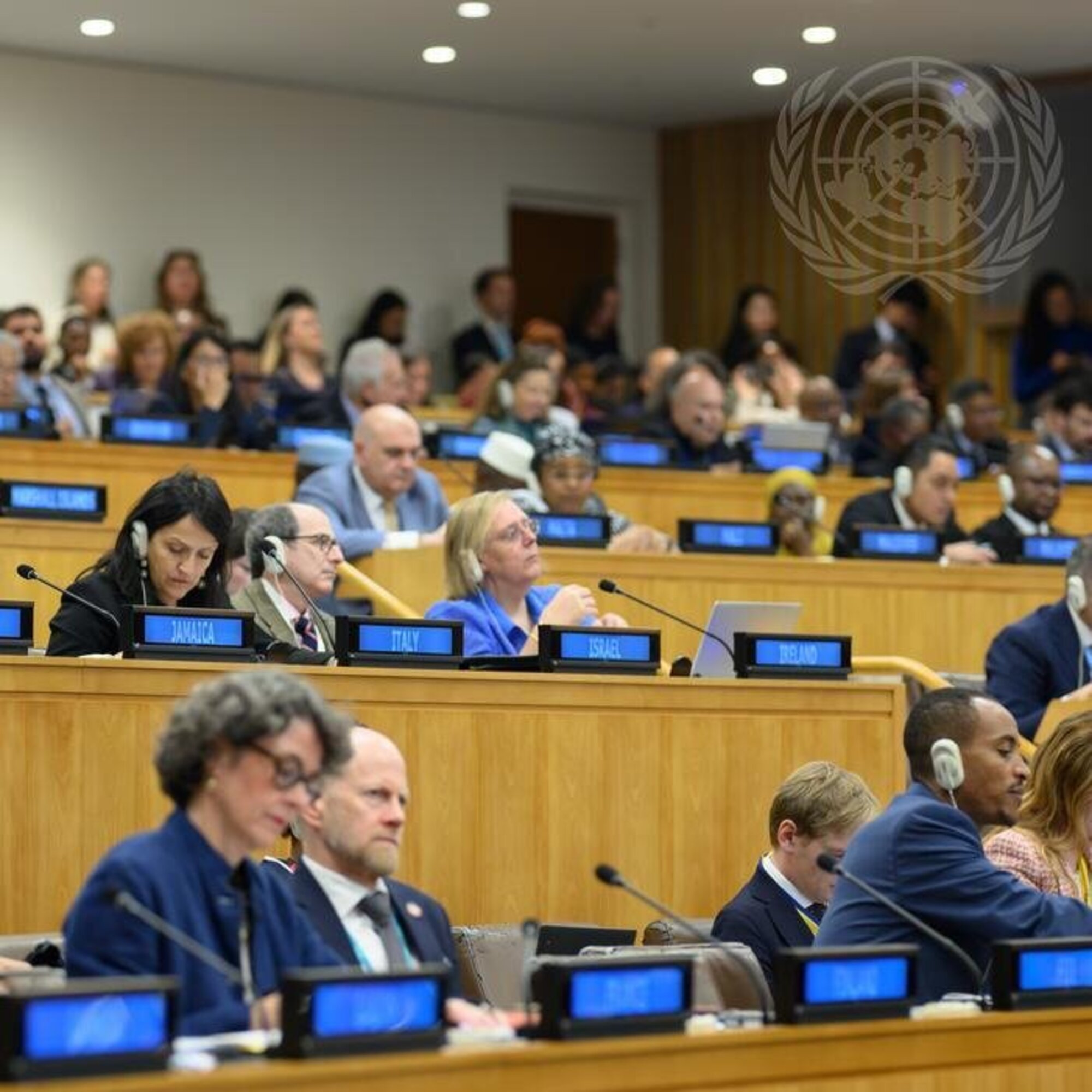
Consensus was not reached at the UN high-level meeting on pandemic prevention, preparedness and response, held on 25 September. Although the Political Declaration negotiated ahead of the meeting could not be endorsed due to the opposition of a few Member States, the majority of UN Member States renewed commitment to protect the world from future health emergencies and pandemics. They also supported the Political Declaration, which will be adopted through a vote later this year.
Recognizing that preventing pandemics begins long before an outbreak, there were strong calls throughout the day to:
- Build and strengthen local and national capacities
- Invest in resilient health systems
- Foster trust in public health systems and institutions
- Guarantee community engagement
- Promote solidarity and equity in access to products, tools and resources
There were also strong calls to finalize the ongoing negotiations on pathogen access and benefit-sharing, which is critical to unlocking the full potential of the WHO Pandemic Agreement adopted in May 2025.
UHC2030 welcomes the strong statement by the Dr. Khalilur Rahman, President of the UN General Assembly, highlighting how UHC and pandemic prevention, preparedness and response are interrelated.
“The high-level meeting on universal health coverage next year offers an opportunity to build on this agenda. It should help us connect pandemic preparedness with the everyday work of building resilient, equitable and people-centred health systems everywhere.”
Dr. Khalilur Rahman also emphasized the importance of community engagement, stating that: “Pandemic preparedness cannot begin and end with health systems. It must take a whole-of-society, one-health approach. […] Just as importantly, communities cannot simply be recipients of public health policy. They must be involved in designing it.”
Several Member States[1] reiterated their commitment to UHC, highlighting how the mutually reinforcing impact of UHC and health security based on the experiences in their own country settings. They emphasized that progress towards UHC provides the basis to strengthen preparedness, which in turns contributes to the implementation of UHC reforms.
In their statements, many Member States[2] acknowledged that equitable and resilient health systems, with primary health care as a cornerstone, provide the foundation for effective pandemic prevention, preparedness and response. They emphasized that preparedness begins long before crisis strikes. It cannot be built as a parallel system. Rather, it is strongest when embedded in the health systems that people use every day. Sustained investment in surveillance and laboratory capacity, robust primary health care platforms, and a strong health workforce enables health systems to detect threats earlier, mobilize responses faster, and maintain essential services during a crisis.
A whole-of-society approach and meaningful community engagement were recurring themes throughout the day. They were both referred to as essential to building the necessary trust and resilience, with several Member States[3] referring to the lessons learned from COVID-19. As Ms. Amina Mohamed, Deputy Secretary General rightly put it:
“When communities are protected, we are all protected.”
[1] Andorra, Armenia, Burundi, China, Cuba, Gabon, Holy See, Ireland, Japan, Mexico, Qatar, Russia, Tanzania, Thailand, Uruguay, Vanuatu
[2] Andorra, Angola, Botswana, Cap Verde, Chad, Egypt, El Salvador, Gabon, Georgia, Ghana, Indonesia, Kyrgyzstan, Madagascar, Malta, Mexico, Mongolia, Nigeria, Peru, Philippines, Rwanda, Sierra Leone, Slovenia, Tanzania, Thailand
[3] Andorra, Botswana, Burundi, Cambodia, Finland, Gabon, India, Ireland, Kiribati, Korea, Kyrgyzstan, Malaysia, Mozambique, Sierra Leone, Sri Lanka, Uganda, Vanuatu
Photo credit: UN Photo/Mark Garten
